
Home
Dolores de la Cruz Anderson
- Details
- Written by: Bernard Punzalan
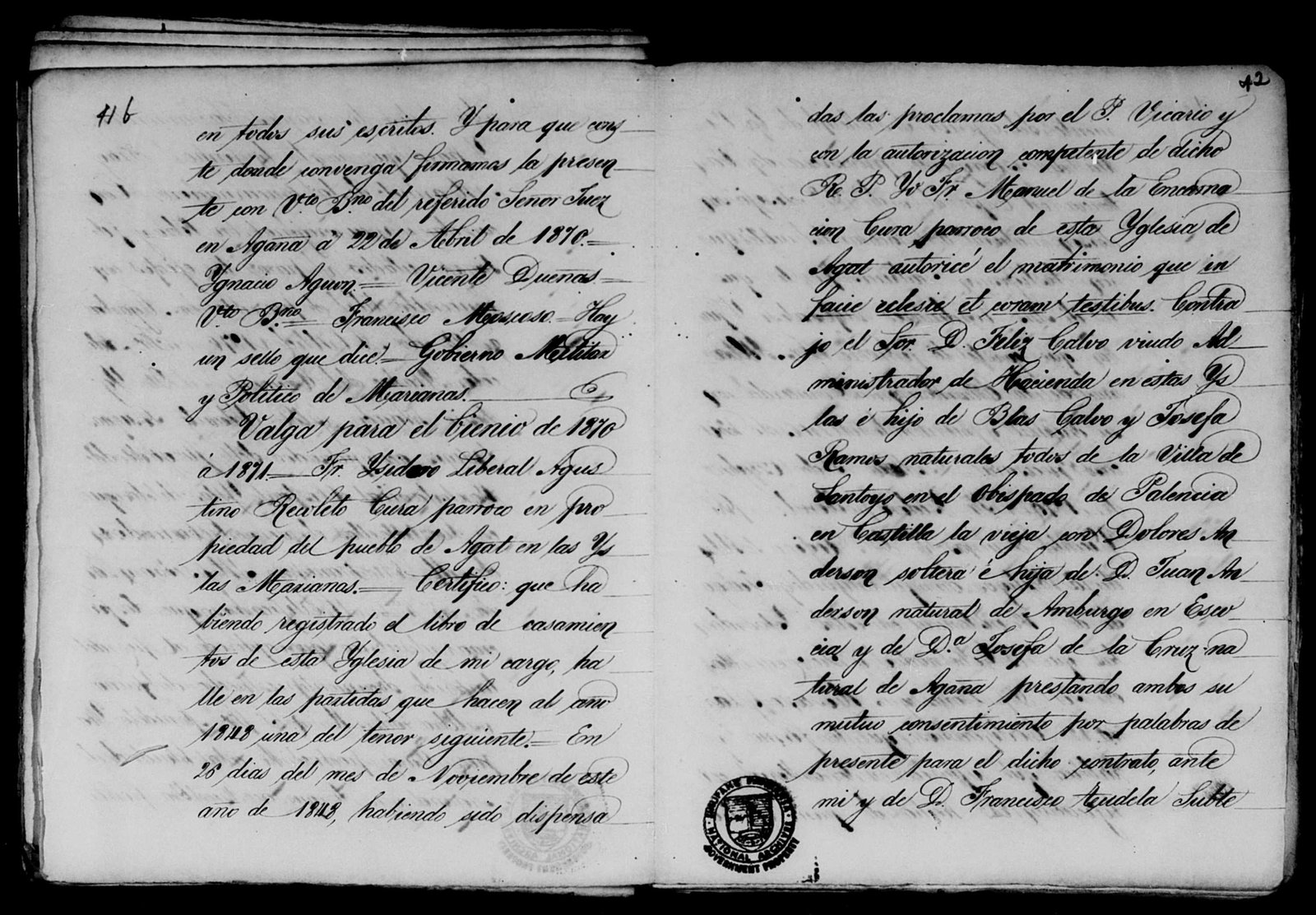
This document and others I recently found sheds a light on several controversial family tree recordings and seems to add to some challenging translations as well.
- Doña Dolores de la Cruz Anderson, daughter of Doña Josefa de la Cruz and Don Juan Anderson, married Don Felix Ramos Calvo (widower of Maria Olivares). In other Spanish records regarding the claims against the deceased Don Felix’s pension, it states that Dolores and Felix never had any children from their marriage.
- Felix Ramos Calvo is sometimes recorded in family trees and documents as Felix Calvo y Noriega, but this document (and others) states that his mother’s name was Josefa Ramos not Josepha de la Penas.
- In some family trees, including CHamoru Roots, Dolores dela Cruz Anderson is incorrectly recorded as marrying Don Felix Olivares Calvo, the son of Don Felix Calvo and Doña Maria Olivares.
- Don Juan Anderson, generally recorded as John Anderson, a Scot from Edinburgh, Scotland; however, in this document it states he is a native of “Amburgo en Escocia,” which would literally translate as “Hamburg, Scotland.” Ugh and smh…LOL
The database will be updated soon to correct several of these entries. It also changes how I am related to some of the Calvo clan through my Anderson lineage.
Source: FamilySearch.org
Josef Manuel Tobias: Whatever Happened to Him
- Details
- Written by: Bernard Punzalan

Josef Manuel Tobias, was born in the Marianas, likely Guam, and described by his biological father, Mariano Tobias, Governor the Mariana Islands from 1771-1774, as a “native of the Mariana Islands.” Josef’s biological native mother, believed to be a CHamoru, is currently unknown. The last known location of Josef was when he and his father returned to Spain around the late 1770s or early 1780s. Governor Mariano Tobias’ wife, purportedly never accompanied him to and during his term in the Marianas. (pg.41-42)
Bibliography
Marjorie G. Driver. 2005. The Spanish Governors of the Mariana Islands and the Saga of the Palacios. Micronesia Area Research Center, University of Guam. Mangilao, Guam.
Ancient Burial in Achugao, Sa'ipan
- Details
- Written by: Bernard Punzalan

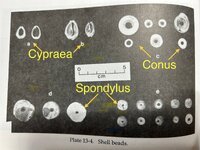
This site consists of the remains of a 40-year old female. Located around the area of her throat were remnants of a shell necklace consisting of ten spondylus beads (in Plate 13-4, e), ranging in the size of 7.5mm to 12.1mm. The spondylus beads were described as having a white or cream-colored interior with exterior layers that are pink to reddish in color.
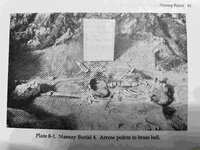
What was also interesting about this burial site was that they found a small spherical metal object, later identified as a brass flushloop bell, near her ilium bone (hip). This suggests that the item was attached to a belt or other garment worn around the waist. Because of the metal object, the theory is that this burial occurred sometime between 1668 to 1730* (early History Period).
While most of the CHamoru people residing in the islands north of Rota were force relocated (Reduccion) to Guam in the 1690s, some sources suggest that there were some mission villages in Sa’ipan through the 1730s.
Brian M. Butler.1995. Archeological Investigations in the Achugao and Matansa Areas of Saipan, Mariana Islands.
Wake Island's Guam Memorial 2017 Rededication
- Details
- Written by: Bernard Punzalan
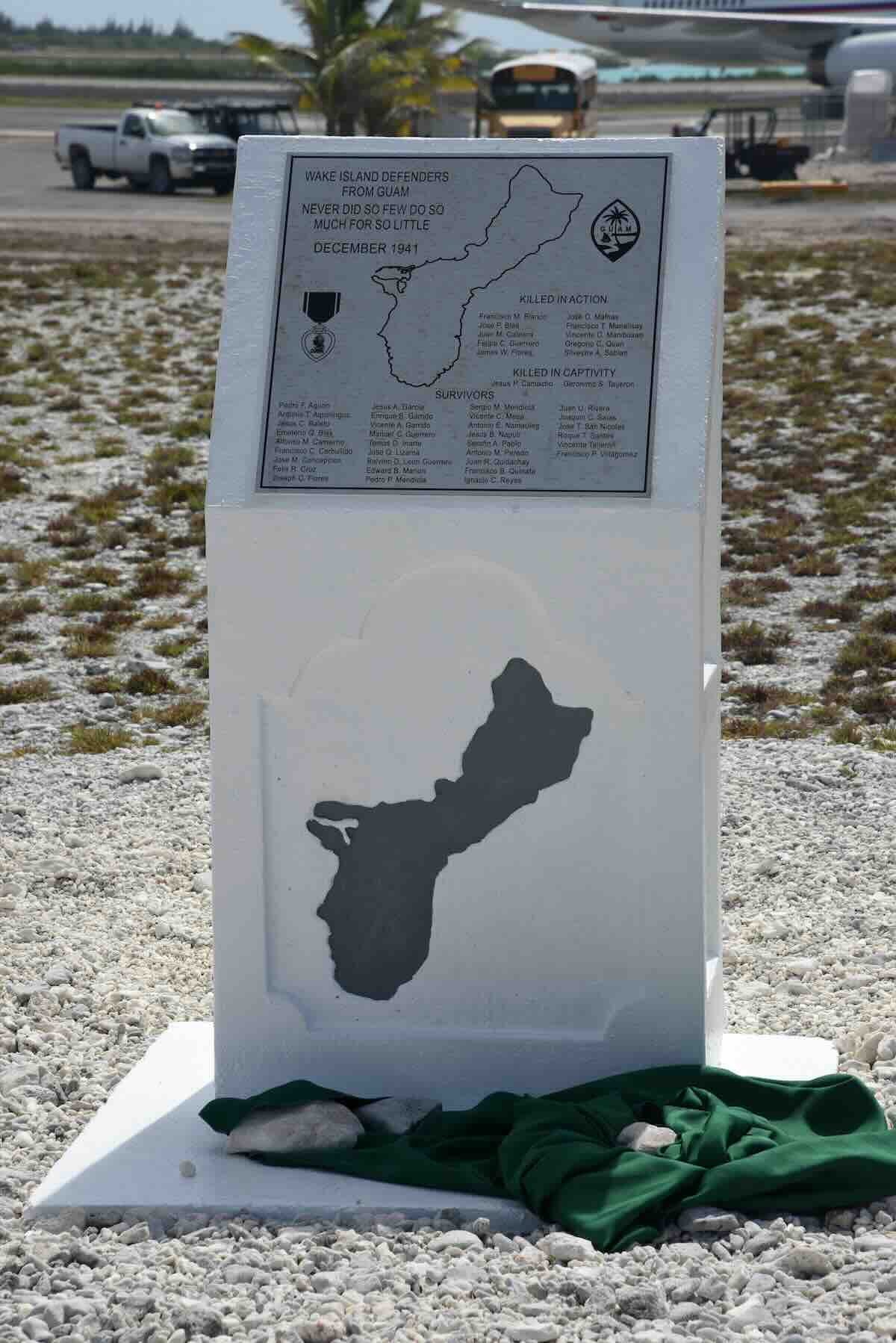
On June 8 2017, the Pacific Air Forces Regional Support Center and Wake Island’s Detachment 1 leadership paid honor to 45 Chamorros with a rededication ceremony of the Wake Island’s Guam Memorial.
Aguiguan
- Details
- Written by: Bernard Punzalan
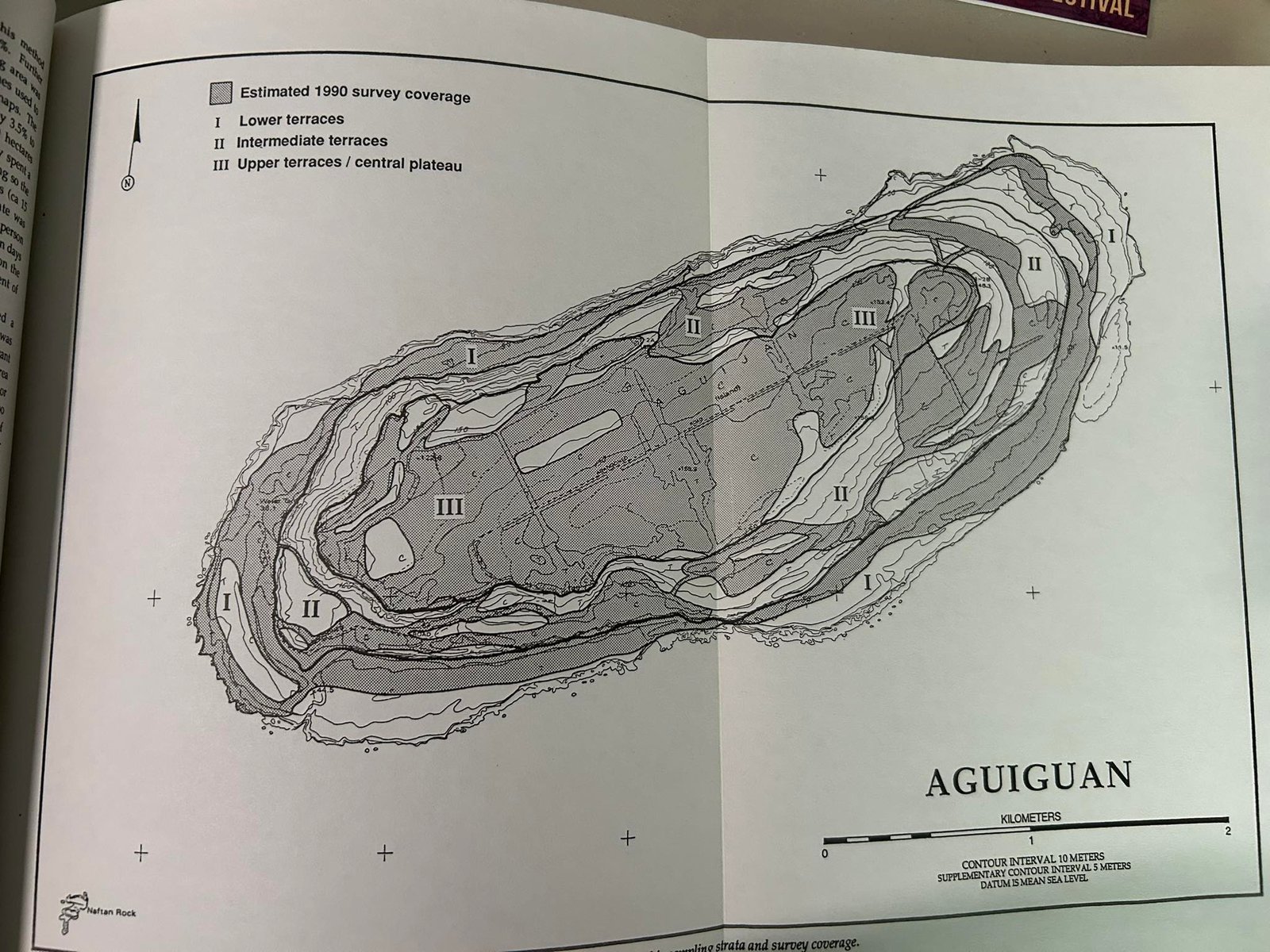
Aguiguan is a very difficult and challenging island to access. There are approximately 32 prehistoric sites documented. Prehistoric artifacts recovered on Aguiguan are dated to be as early as the pre-latte period before A.D. 800. However, the archeological evidence also supports the notion that the permanent occupation of Aguiguan likely occurred sometime after A.D. 1000 during the latte period; as also evidenced by the latte sets found on Aguiguan.
Aguiguan was one of the last islands to be conquered by the Spaniards in 1695. Some of the CHamoru people that resided on Tinian even fled to Aguiguan to seek refuge during the CHamoru-Spanish wars. Sadly, in the historical setting of this book, only two CHamorus were named: Maga’låhi Taga (pg.22) and an infant baptized on Aguiguan by Father San Vitores in August 1668 with the name Ignacia (pg.23).
Aguiguan, later, became more frequently referred to as “Goat Island.” Sometime after 1818, the residents of Tinian introduced goats to Aguiguan. Other than for fishing and goat hunting the island was seldomly visited during the Spanish colonization and pretty much silent on information under the German administration.
Under the administrative rule and colonization of the Japanese, they were more aggressive in pursuing economic expansion and opportunities under the sphere of Japan. Workers from Okinawa and laborers from Korea were brought into the Mariana islands to help meet those objectives. Aguiguan was primarily used by the Japanese for cultivating sugar cane fields.
As a result, there are CHamoru people with Okinawan and Korean ancestry from some of these workers/laborers.
In 1943, there were 356 people on Aguiguan. Over 40% were Korean laborers (mostly unmarried), while the remainder were Okinawan workers (some had families).
“Our knowledge of the plantation and plantation life on Aguiguan has been greatly increased by Mr. Joaquin S. Borja of Tinian. Mr. Borja, who kindly consented to be interviewed for this project, lived on Aguiguan as a small boy. He was born in 1936 and was 9 years old when the population was removed in 1945. Mr. Borja not only has his recollections but also a body of information imparted to him by his parents. At the time of the survey Mr. Borja's mother was still living but in ill-health and could not be interviewed. Mr. Borja's father was an Okinawan who married a local woman on Rota, which is where Joaquin was born. The father was later transferred to Aguiguan where he served as one of the winch operators at the landing complex. The family lived in one of the housing units at that site.”
Brian M. Butler.1992. An Archeological Survey of Aguiguan (Aguijan) Northern Mariana Islands.
Page 1 of 84